Your Trusted Family of Waste Solutions


.svg)
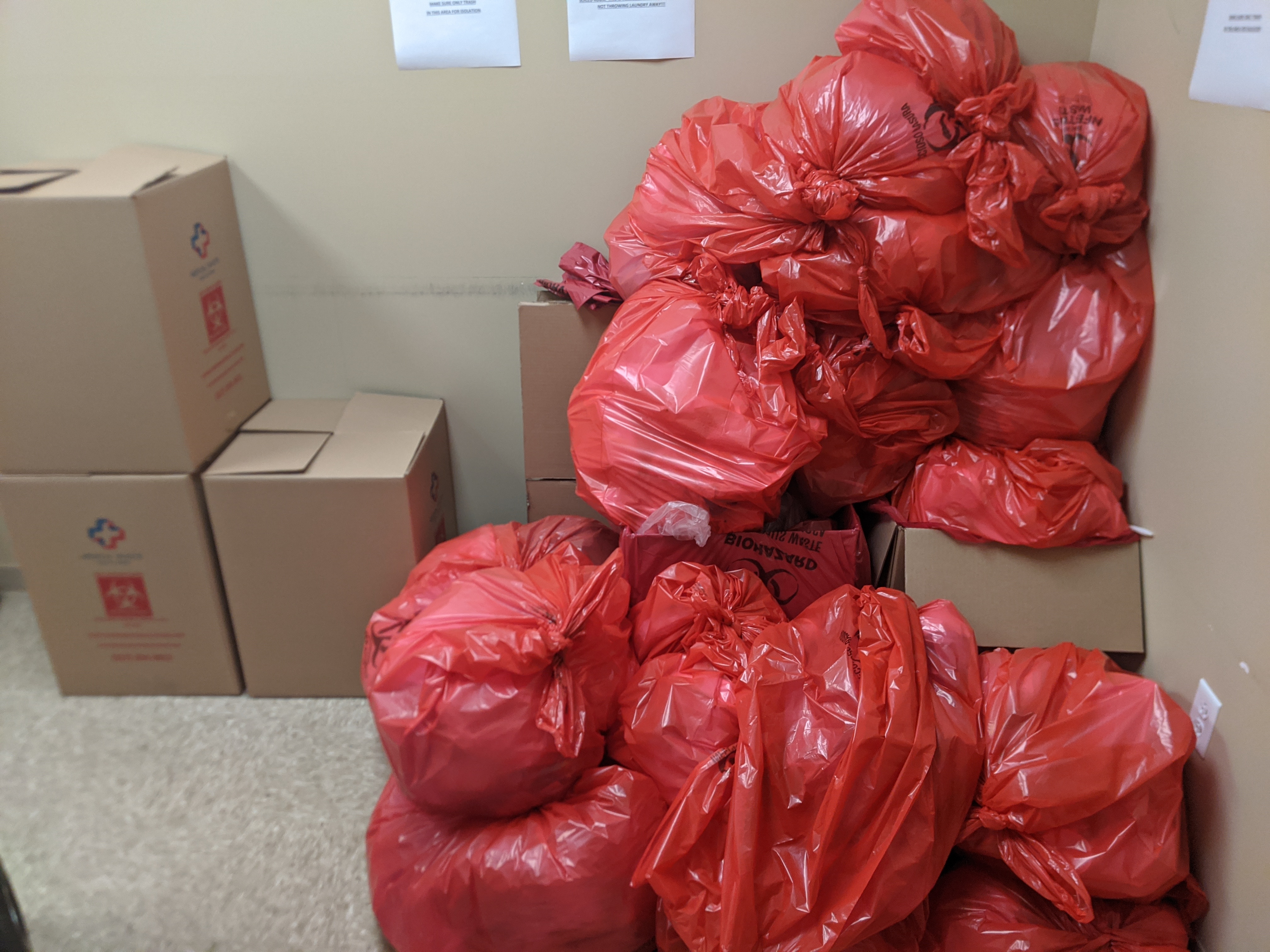
Healthcare providers are committed to caring for patients, but there's another responsibility that often goes unnoticed until something goes wrong: medical waste compliance.
Improper disposal of regulated medical waste can lead to hefty fines, legal consequences, damaged reputations, and even risks to public health. Whether you operate a physician's office, dental practice, urgent care clinic, surgery center, veterinary office, or laboratory, staying compliant with medical waste regulations is essential.
The good news? Most compliance violations are preventable with the right processes and a reliable waste management partner.
A medical waste compliance violation occurs when a healthcare facility fails to follow federal, state, or local regulations governing the handling, storage, transportation, or disposal of regulated medical waste.
Examples include:
Even minor mistakes can trigger inspections, citations, and costly penalties.
Medical waste violations can result in thousands or even tens of thousands of dollars in fines depending on the severity of the offense and applicable regulations.
These unexpected costs can significantly impact small and mid-sized healthcare practices.
Improper disposal can expose employees, patients, waste handlers, and the public to infectious materials.
If contamination or injury occurs, your practice may face lawsuits, workers' compensation claims, or additional regulatory action.
Patients trust healthcare providers to maintain safe, professional environments.
A compliance violation can quickly damage that trust, especially if violations become public or attract negative media attention.
Rebuilding your reputation often costs far more than preventing the issue in the first place.
Regulatory investigations often require:
These disruptions consume valuable staff time and reduce operational efficiency.
Facilities with repeated violations may experience:
Preventive compliance is almost always less expensive than reacting after a violation.
Many violations stem from simple, preventable errors, including:
Small mistakes made consistently can become major compliance problems.
Every employee who handles medical waste should understand:
Ongoing training reduces human error.
Use approved containers for:
Never overfill containers, and replace them promptly.
Keep records of:
Good documentation demonstrates compliance during inspections.
Overflowing containers create unnecessary risks.
Reliable pickup schedules help keep your facility safe, organized, and compliant.
A trusted waste management company helps ensure:
Having experienced professionals manage your medical waste allows your team to stay focused on patient care.
Medical waste compliance isn't just about following regulations, it's about protecting your employees, your patients, your business, and your reputation.
The cost of one compliance violation can far exceed the investment in proper waste management services.
Working with a knowledgeable medical waste provider helps reduce risk while keeping your facility compliant and operating smoothly.
Don't wait for a compliance issue to put your practice at risk.
Contact Medical Waste Solutions today:
📞 (317) 204-3911
Learn more or request service here:
https://inmedwastesolutions.com/contact
A medical waste compliance violation occurs when a healthcare facility fails to follow regulations for the handling, storage, transportation, or disposal of regulated medical waste.
Penalties can include regulatory fines, legal action, corrective compliance measures, increased inspections, and reputational damage.
Every healthcare facility is responsible for ensuring proper waste segregation, storage, documentation, employee training, and disposal through licensed providers.
Regulated medical waste typically includes contaminated sharps, blood-soaked materials, pathological waste, cultures, and other infectious materials defined by state regulations.
Proper sharps disposal helps prevent needlestick injuries, protects sanitation workers, and ensures compliance with healthcare safety regulations.
Pickup frequency depends on your facility's size, waste volume, and local regulations. Many practices benefit from scheduled recurring pickups.
Facilities should maintain waste manifests, pickup records, employee training documentation, service agreements, and any required regulatory records.
Proper training teaches employees how to segregate waste correctly, use approved containers, follow safety procedures, and comply with applicable regulations.
Yes. Improper waste segregation increases disposal costs and may result in regulatory violations or fines.
Medical waste disposal services are commonly used by physicians, dentists, veterinarians, surgery centers, urgent care clinics, dialysis centers, laboratories, nursing homes, and specialty healthcare practices.
Licensed providers ensure waste is collected, transported, treated, and disposed of according to applicable regulations while providing required documentation.
Regular staff training, proper waste segregation, scheduled pickups, accurate documentation, and partnering with an experienced medical waste provider are key to maintaining compliance.
Inspectors may review waste storage areas, documentation, employee training records, container labeling, and disposal procedures to verify compliance.
Yes. Regulatory violations can damage patient trust, generate negative publicity, and impact a practice's professional reputation.
Medical Waste Solutions provides reliable medical waste collection, compliant disposal services, documentation support, scheduled pickups, and experienced guidance to help healthcare facilities reduce compliance risks.