Your Trusted Family of Waste Solutions


.svg)
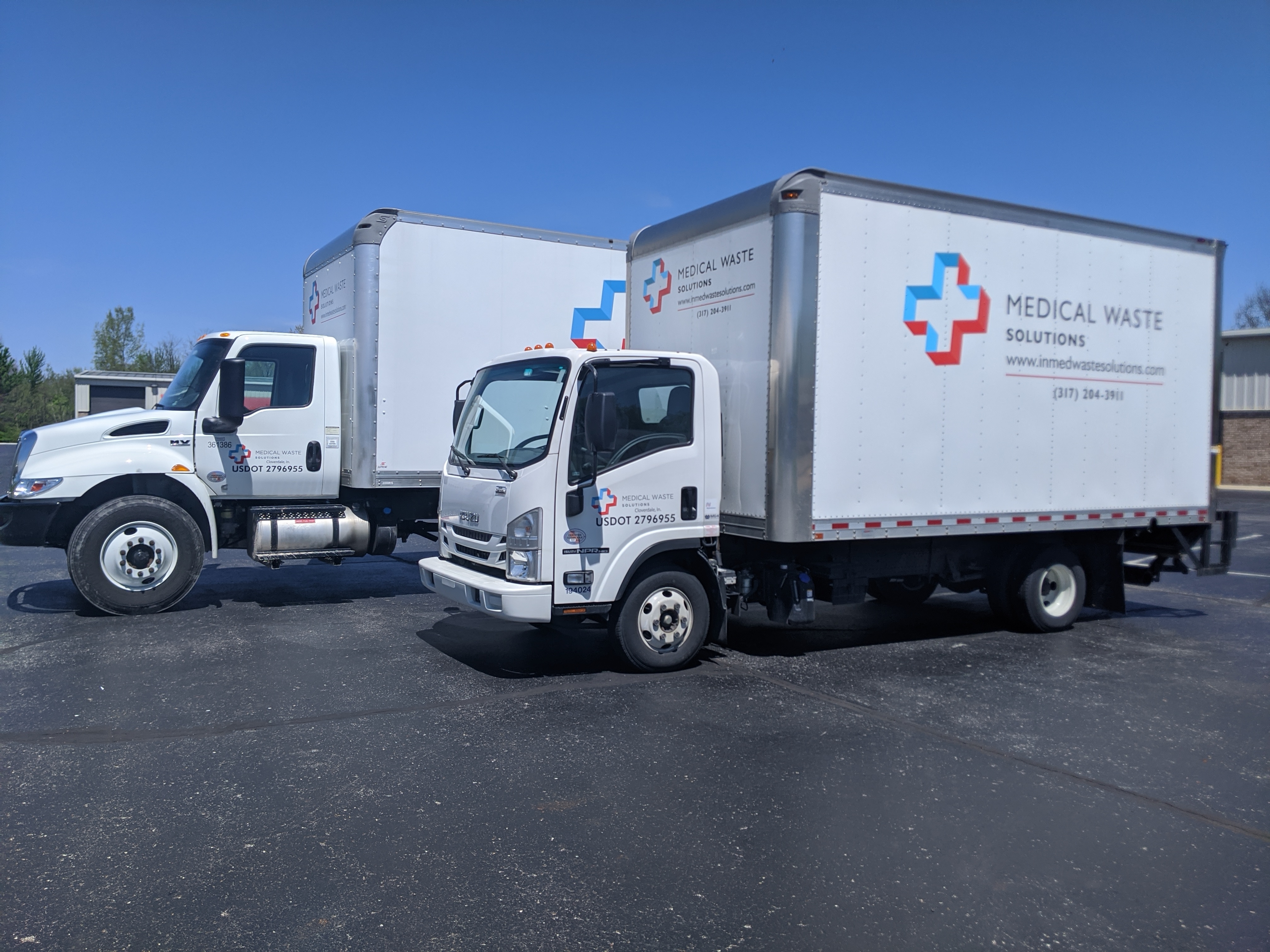
Running a small clinic means watching every line item, and medical waste disposal is often one of the most frustrating costs to manage. Unlike rent or payroll, it can feel unpredictable pickup fees, container charges, fuel surcharges, and contract minimums all add up fast. The instinct to cut back is understandable, but medical waste isn't an area where shortcuts are safe. One missed pickup, mislabeled container, or non-compliant disposal method can lead to regulatory fines that dwarf any savings.
The good news: lowering your disposal costs and staying fully compliant aren't mutually exclusive. With the right approach, small clinics can meaningfully reduce spending while actually improving safety and efficiency.
Many clinics pay to dispose of items as regulated medical waste that don't legally require it. A simple waste audit sorting what goes into red bags versus general trash often reveals that 50% or more of "medical waste" is actually non - regulated material like packaging, paper, or non-contaminated supplies.
What to do: Walk through your waste stream with your team and your disposal provider. Identify what truly qualifies as regulated medical waste (sharps, pathological waste, biohazardous materials) versus what can be safely diverted to standard waste streams.
A common cost driver is paying for service frequency or container size that doesn't match actual waste volume. Clinics that scale up during busier periods often keep the same contract long after volume normalizes.
What to do: Review your waste generation data over the past 6-12 months. If containers are routinely picked up half-full, you may be able to switch to smaller containers, less frequent pickups, or a pay-as-you-go model all without compromising compliance.
Improper segregation is one of the most overlooked cost drivers. When non-hazardous waste ends up mixed with regulated medical waste, the entire load must be treated and billed as hazardous even if only a small fraction actually qualifies.
What to do: Invest a small amount of time in staff training on what belongs in red bags, sharps containers, and standard trash. This single habit shift can meaningfully reduce regulated waste volume and the costs tied to it.
Clinics sometimes end up with separate contracts for sharps disposal, biohazard waste, pharmaceutical waste, and document shredding each with its own fees, minimums, and pickup schedules. Consolidating these services with a single qualified provider can reduce administrative overhead and unlock bundled pricing.
What to do: Ask your provider whether sharps, biohazard, and pharmaceutical waste services can be combined into one contract and one pickup visit.
Long-term contracts with automatic renewals, hidden fuel surcharges, or steep early termination fees can quietly inflate costs over time. Many clinics don't realize how much they're paying until they compare their actual invoices to their original quote.
What to do: Request a full breakdown of your current contract and compare it against current market rates. A transparent provider will walk you through every fee with no surprises.
Large national waste haulers often price their services around high volume hospital systems, leaving small clinics overpaying for service levels they don't need. Working with a provider that understands small practice volume and compliance needs can result in pricing that actually reflects your operation.
What to do: Look for a partner who offers flexible scheduling, clear pricing, and compliance support tailored to clinics, not just hospitals.
Reducing medical waste disposal costs isn't about doing less, it's about doing it smarter. A proper audit, right-sized service plan, trained staff, and a transparent provider relationship can lower your costs significantly while keeping your clinic fully compliant and your patients and staff safe.
Ready to see where your clinic can save? Medical Waste Solutions works with small practices to build right-sized, fully compliant disposal plans with no overpaying, no cutting corners.
📞 Contact Medical Waste Solutions today: (317) 204-3911
🔗 Learn more or request service here: https://inmedwastesolutions.com/contact
Small clinics can lower medical waste disposal costs by conducting waste audits, properly separating regulated and non-regulated waste, right-sizing container sizes and pickup schedules, training staff, reviewing service contracts, and working with a provider that offers flexible pricing tailored to smaller healthcare practices.
Regulated medical waste typically includes items contaminated with blood or other potentially infectious materials, such as sharps, pathological waste, certain laboratory waste, and biohazardous materials. Items like paper towels, packaging, gloves without contamination, and office waste usually do not require regulated disposal.
Proper segregation prevents non-hazardous materials from being disposed of as regulated medical waste. When general waste is mixed with biohazardous waste, the entire container must be treated as regulated waste, increasing disposal costs and reducing efficiency.
Pickup frequency depends on your clinic's waste volume, storage capacity, and state regulations. Many small clinics can reduce costs by adjusting pickup schedules based on actual waste generation rather than following a fixed schedule that results in half-full containers being collected.
Yes. Improper handling, storage, transportation, or disposal of regulated medical waste can result in significant penalties from OSHA, state environmental agencies, and other regulatory authorities. Maintaining compliance helps protect both your clinic and your patients.
Absolutely. Reviewing your contract annually can help identify unnecessary services, hidden fees, automatic renewals, fuel surcharges, or outdated pricing. Comparing your current agreement with available options can lead to meaningful cost savings.
Items that are not contaminated with blood or other potentially infectious materials generally should not be placed in red bags. Examples may include clean packaging, paper, food waste, office supplies, and non-contaminated personal protective equipment (PPE). Proper segregation helps reduce disposal costs while maintaining compliance.
Yes. Educating employees on proper waste segregation is one of the most effective ways to lower disposal costs. When staff correctly separate regulated medical waste from general waste, clinics reduce the amount of material requiring specialized treatment and disposal.
In many cases, yes. Combining services such as sharps disposal, biohazard waste disposal, pharmaceutical waste management, and document shredding with one provider can simplify billing, reduce administrative work, and often qualify your clinic for bundled pricing.
Signs include consistently half-full containers at pickup, oversized containers, unnecessary service frequency, multiple vendor contracts, and invoices with unexplained fees or fuel surcharges. A waste audit and contract review can help identify opportunities to reduce costs.
Look for a provider that offers:
Not when done correctly. Cost savings should come from improving waste segregation, optimizing service levels, and increasing operational efficiency not from cutting corners. A well-managed disposal program can reduce expenses while maintaining full regulatory compliance.
A waste audit helps identify materials that are incorrectly being disposed of as regulated medical waste. Many clinics discover they can significantly reduce regulated waste volume by improving segregation practices, leading to lower disposal costs without sacrificing safety.
Medical Waste Solutions partners with small clinics to create cost-effective, compliant waste disposal programs. Services include customized pickup schedules, transparent pricing, regulatory guidance, and disposal solutions designed specifically for smaller healthcare providers, helping clinics reduce costs while maintaining compliance.